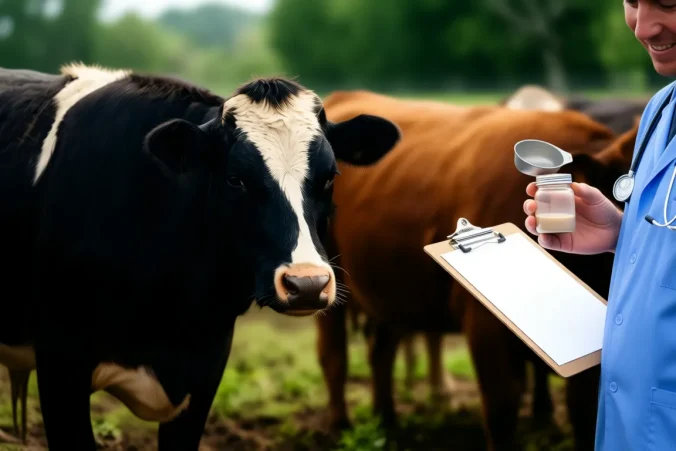
News and insights on animal health management for working and farm animals

Category: Behavior, Welfare & Handling

The Role of Probiotics in Ruminant Gut Health: What the Latest Research Says

The Role of Probiotics in Ruminant Gut Health: What the Latest Research Says

Probiotics stabilize rumen pH and microbial balance in cattle and sheep. Recent trials show clear drops in acidosis and better feed efficiency when producers add the right strains at the right time.

Putting Probiotics into Daily Rations

Start with your current diet. High-grain mixes often push rumen pH below 5.8. Adding a daily dose of live cultures counters that shift before it turns into off-feed days.

  • Give 10^9 CFU of Lactobacillus plantarum per head in the TMR for dairy cows on 60 percent concentrate.
  • Check manure score three days after you begin. Firmer pats usually appear by day four when the rumen settles.
  • Store the product below 25 C and use it within 30 days of opening to keep viable counts high.

Sheep on pasture need smaller amounts. One gram of a mixed Bacillus and Enterococcus product per 50 kg body weight works for most flocks during spring flush.

What Recent Trials Report on Performance

University work from 2022-2023 tracked 240 Holstein cows across two seasons. Cows that received a daily multi-strain probiotic produced 1.8 kg more fat-corrected milk and showed half the cases of clinical ketosis compared with controls.

Strain mix Animal group Observed change
L. acidophilus + B. subtilis Lactating cows Rumen pH stayed above 6.0 for 18 more hours per day
E. faecium alone Feedlot steers Average daily gain rose 0.11 kg with no extra antibiotic use

Check labels for guaranteed CFU counts rather than vague “probiotic blend” wording. Track body condition and milk components for four weeks after you switch products so you know what actually moved the numbers on your farm.
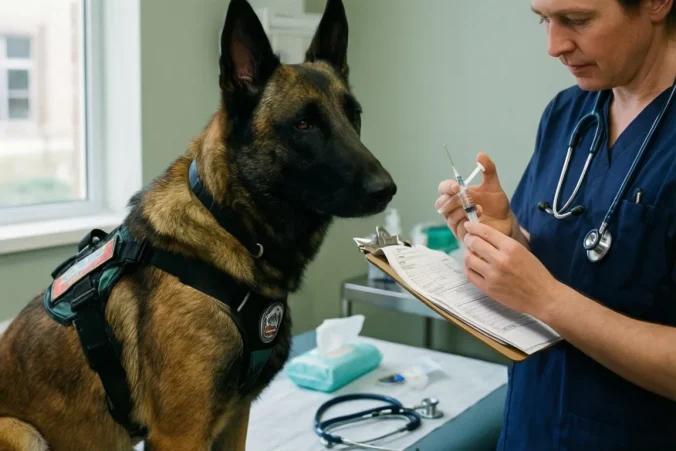

Vaccination Schedules for Working Dogs: Balancing Protection and Risk

Vaccination Schedules for Working Dogs: Balancing Protection and Risk

Working dogs pick up exposure from livestock, travel, and other animals on the job. Set their vaccination schedules around real patterns of contact rather than a standard pet timeline.

Core Vaccines That Matter Most

Most working dogs need protection against distemper, parvovirus, and rabies. Add leptospirosis when the dog spends time in standing water or around wildlife.

  • A border collie on a sheep ranch gets the core set at eight weeks, twelve weeks, and sixteen weeks.
  • A search dog that enters flooded areas adds lepto at twelve and sixteen weeks.

Building the First Year Schedule

  1. Start the series at eight weeks while the puppy still lives with its litter.
  2. Give the second round at twelve weeks once the dog begins short field sessions.
  3. Finish the initial set at sixteen weeks before full work starts.
  4. Boost rabies at sixteen weeks or per local law, then again one year later.
Age Vaccine Notes for working dogs
8 weeks Distemper-parvo Begin before exposure to other dogs
12 weeks Distemper-parvo + lepto Add if water or rodents are common
16 weeks Distemper-parvo + rabies Finish before heavy field duty

Matching Boosters to Daily Work

Annual shots still make sense for dogs that meet new animals every week. Dogs on the same ranch with limited outside contact can often stretch core vaccines to three years after the first booster.

Check titers at the two-year mark if you want data before skipping a round. A herding dog that only works its home flock often shows solid levels and skips the extra distemper-parvo shot that year.

Watching for Reactions on the Job

Track any swelling or lethargy after a shot in a simple notebook. Note the date, vaccine, and how the dog performed the next day.

  • Mild soreness that clears in 24 hours usually needs no change.
  • Repeated vomiting or hives after two different vaccines signals a need to split future doses or test titers instead.

Telemedicine for Farm Animals: Opportunities and Limitations

Telemedicine for Farm Animals: Opportunities and Limitations

You already know the drive to a distant farm eats hours you do not have. Telemedicine cuts some of those trips without replacing hands-on work. Here is how it fits into real farm days.

When a Video Call Beats a Truck Ride

Start with cases that need eyes and conversation more than touch. You can often sort these without leaving the clinic.

  • Lame cow that the owner filmed the day before
  • Follow-up on a calf scours treatment you started last week
  • Swelling on a horse leg that has not changed in two days
  • Respiratory sounds in a pen of feeder pigs after the first round of antibiotics

Tools That Fit in a Farm Truck

Keep it simple. Most farms already own what you need.

Tool Typical use Notes from the field
Phone or tablet camera Quick video of gait or breathing Good light and steady hold matter more than resolution
Basic messaging app Photos of wounds or manure Owners send pictures before the call
Low-cost otoscope attachment Ear checks in dogs and pigs Works on the same device you already carry

Where It Saves Real Time

One dairy used short video checks on fresh cows three times a week last winter. The vet caught two metritis cases early and skipped two full farm visits. A sheep producer sent daily photos of a ram’s foot rot treatment; the lesion photos guided dose changes without a 40-mile trip each time.

Hard Limits You Cannot Skip

Some jobs still require being there. Blood draws, pregnancy checks, and any procedure that needs sterile field or palpation stay in-person. Poor cell signal on the back forty also kills the connection mid-exam. Owners sometimes over-interpret what they see on a small screen and delay the visit you actually need.

First Remote Visit Checklist

  1. Confirm signal strength with the owner before the appointment
  2. Ask for two short videos: one wide shot, one close-up
  3. Have the owner restrain the animal the same way you would on site
  4. End with a clear plan for when you will come in person if nothing improves