News and insights on animal health management for working and farm animals

Month: March 2026

The Role of Probiotics in Ruminant Gut Health: What the Latest Research Says

The Role of Probiotics in Ruminant Gut Health: What the Latest Research Says

Probiotics stabilize rumen pH and microbial balance in cattle and sheep. Recent trials show clear drops in acidosis and better feed efficiency when producers add the right strains at the right time.

Putting Probiotics into Daily Rations

Start with your current diet. High-grain mixes often push rumen pH below 5.8. Adding a daily dose of live cultures counters that shift before it turns into off-feed days.

  • Give 10^9 CFU of Lactobacillus plantarum per head in the TMR for dairy cows on 60 percent concentrate.
  • Check manure score three days after you begin. Firmer pats usually appear by day four when the rumen settles.
  • Store the product below 25 C and use it within 30 days of opening to keep viable counts high.

Sheep on pasture need smaller amounts. One gram of a mixed Bacillus and Enterococcus product per 50 kg body weight works for most flocks during spring flush.

What Recent Trials Report on Performance

University work from 2022-2023 tracked 240 Holstein cows across two seasons. Cows that received a daily multi-strain probiotic produced 1.8 kg more fat-corrected milk and showed half the cases of clinical ketosis compared with controls.

Strain mix Animal group Observed change
L. acidophilus + B. subtilis Lactating cows Rumen pH stayed above 6.0 for 18 more hours per day
E. faecium alone Feedlot steers Average daily gain rose 0.11 kg with no extra antibiotic use

Check labels for guaranteed CFU counts rather than vague “probiotic blend” wording. Track body condition and milk components for four weeks after you switch products so you know what actually moved the numbers on your farm.
Understanding Pain Recognition in Donkeys and Mules

Understanding Pain Recognition in Donkeys and Mules

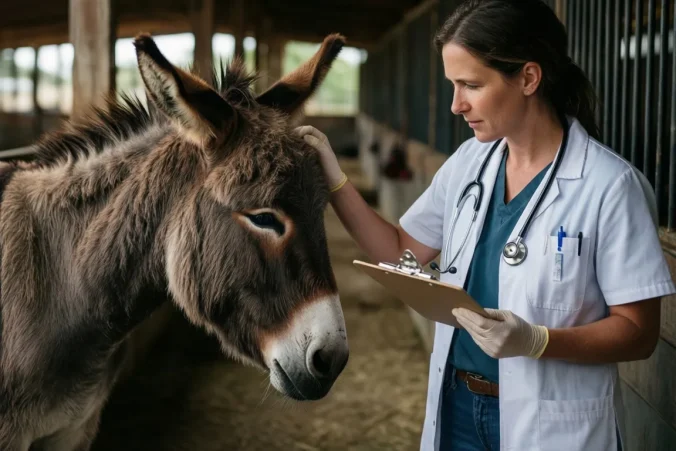
You notice pain in donkeys and mules through quiet changes rather than loud complaints. These animals often mask discomfort, so you catch it by tracking their normal patterns each day.

Why Their Pain Looks Different

Donkeys and mules evolved to stay still when they hurt. A horse might limp or call out, but these animals just stop moving much or turn their head away from feed.

Watch what happens at feeding time. A mule that normally cleans its bucket might take a few bites then walk off. That small drop in appetite often appears before any posture change.

Signs That Show Up in Real Situations

  • A donkey stands with its weight shifted back but still eats hay when you offer it by hand.
  • The mule that usually follows you to the gate now waits for you to come to it.
  • Ears stay pinned back during grooming even though nothing touches a sore spot.
  • Manure piles look smaller or drier than the day before.

Check these points at the same time each morning. One changed item on its own rarely means much, but two or three together point to discomfort.

Daily Field Checks

  1. Walk past the animal first and note whether it turns its head toward you.
  2. Offer a handful of feed and count how many bites it takes before it stops.
  3. Run your hand along the back and watch for any flinch or ear movement.
  4. Look at the feet and legs while the animal stands square; note any resting of a limb.
Check Normal Possible Pain
Greeting Steps forward Stays put
Appetite Finishes portion Leaves half
Posture Even weight One hip dropped

Emergency First Aid for Working Animals: A Step-by-Step Guide for Farmers

Emergency First Aid for Working Animals: A Step-by-Step Guide for Farmers

When a working dog or horse goes down in the field, you need clear steps you can follow right away. Most farm injuries happen during routine tasks, so we focus on what actually shows up.

Keep a Kit That Matches Your Animals

Store supplies where you can reach them in under two minutes. A basic kit for horses, cattle, and farm dogs covers the injuries we see most.

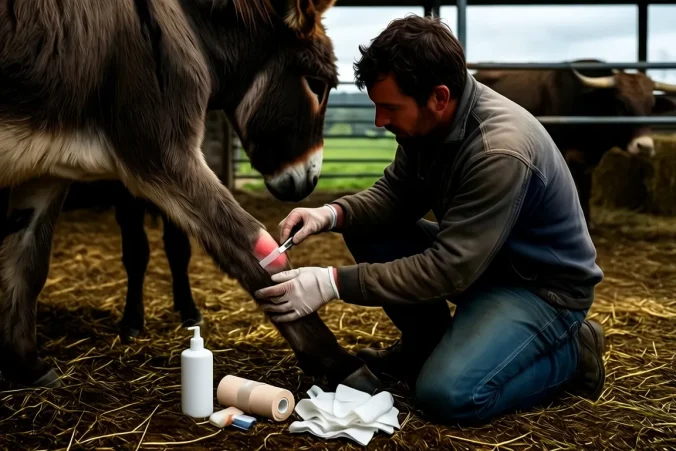
  • Pressure bandages and rolls of gauze for bleeding wounds
  • Antiseptic solution and saline for flushing cuts from barbed wire or nails
  • Digital thermometer and stethoscope to check vital signs before the vet arrives
  • Splint material and duct tape for temporary limb support on a limping horse
  • Phone numbers for your regular vet and the nearest emergency clinic taped inside the lid

Work Through the First Five Minutes

Secure the scene so you do not get hurt too. Then check the animal in this order.

  1. Move other animals away and tie or pen the injured one if it can stand.
  2. Look for bleeding that will not stop on its own. Press firmly with clean gauze for at least three minutes before checking again.
  3. Feel for a pulse at the jaw or inner thigh and count breaths for fifteen seconds, then multiply by four. Normal rates for adult horses sit around eight to twelve breaths; dogs run higher, near fifteen to thirty.
  4. Flush any open wound with saline or clean water and cover it to keep dirt out until you can do more.

A common case is a cattle dog that catches a hind leg in a gate. Once the leg is freed, we stop bleeding first, then check whether the dog can put weight on the foot before deciding on transport.

Decide on Next Actions

Sign you notice What to do next
Heavy bleeding that restarts after pressure Keep pressure on and load the animal for the clinic
Labored breathing or gums that stay pale when pressed Call the vet immediately while you keep the animal quiet and warm
Swollen limb after a kick or fall, but animal still eats and drinks Apply cold packs, limit movement, and schedule a farm visit for the next morning

Once the immediate issue is under control, load the animal only if it can travel without more damage. Many times we stabilize on site and let the vet come to us.