News and insights on animal health management for working and farm animals

Month: February 2026

How Mycotoxins in Feed Affect Dairy Cow Fertility

How Mycotoxins in Feed Affect Dairy Cow Fertility

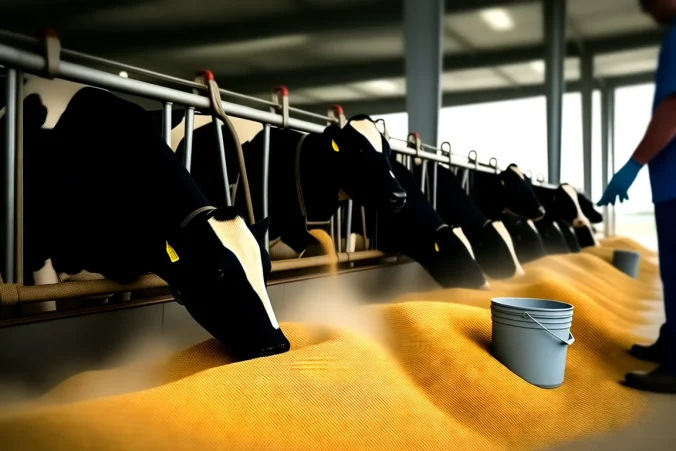
Mycotoxins reach cows through silage, corn, and hay and often show up first as fertility trouble. Conception rates drop, heats stay quiet, and days open stretch out before you notice other signs like lower milk or loose manure.

Which mycotoxins matter most for breeding

Zearalenone acts like extra estrogen. Cows cycle irregularly or develop cysts. Deoxynivalenol (DON) cuts feed intake and weakens the immune response needed for embryo survival. Aflatoxin mainly hits the liver but still lowers conception when levels stay high for weeks.

Mycotoxin Common feed source Fertility sign you notice
Zearalenone Corn silage, high-moisture corn Silent heats, swollen vulva, cystic ovaries
DON Barley, wheat, poor haylage Low dry-matter intake, early embryo loss
Aflatoxin Stored corn, cottonseed Gradual drop in conception after 4-6 weeks

On one 220-cow farm the conception rate fell from 42 % to 28 % over two months. Feed tests later showed 1.8 ppm zearalenone in the corn silage face. Once they pulled that silage and added a glucomannan binder, the rate climbed back within six weeks.

When to test and what to watch

Run a full mycotoxin panel any time you open a new bunker or notice three or more of these in the same string of cows:

  • More than 15 % of cows past 60 days in milk with no recorded heat
  • Breeding dates that keep getting pushed back by 10-14 days
  • Visible vulvar swelling in open heifers or fresh cows
  • Silage that smells musty or shows visible mold on the face

Send samples from the actual TMR, not just the bunker, because mixing changes the final concentration.

Steps that cut exposure right away

  1. Keep the silage face straight and remove at least 15 cm per day so new mold does not form overnight.
  2. Add a glucomannan or yeast-cell-wall binder at 0.5 % of dry-matter intake whenever test results exceed 0.5 ppm zearalenone or 1 ppm DON.
  3. Store ground corn at moisture below 14 % and check temperature weekly; hot spots above 30 °C almost always carry aflatoxin.
  4. Re-test the TMR two weeks after any change in binder or feed source so you know the levels actually dropped.

Most herds see the biggest fertility lift from the first two steps alone. Binder cost usually runs $0.08-0.12 per cow per day and pays for itself once conception improves by even two percentage points.
How to Recognize Early Signs of Respiratory Disease in Feedlot Cattle

How to Recognize Early Signs of Respiratory Disease in Feedlot Cattle

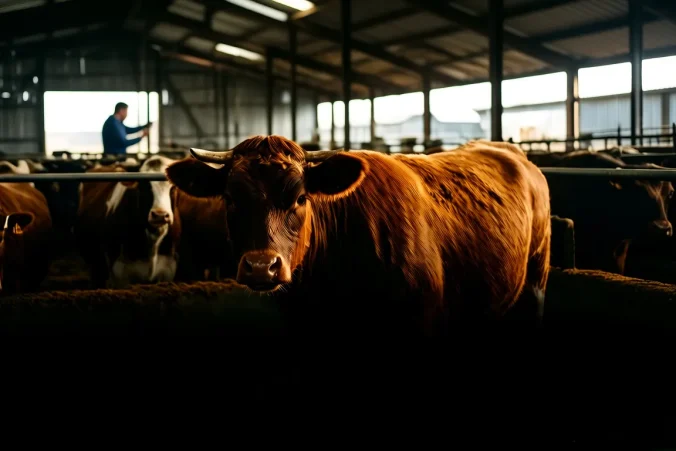
You catch most respiratory cases early by walking pens at the same time each morning and noting which animals skip the bunk or lag behind the group.

Check Feed Intake First

Feed disappearance tells you a lot before any animal looks sick. Walk the bunks and count untouched or half-eaten spots.

  • A steer that normally finishes its ration but leaves 30 percent or more is worth a closer look.
  • Whole pens that clean up slower than the day before often signal the start of an outbreak.
  • Mark the head number on your sheet so you can find the same animal again after the rest have moved.

Watch Breathing and Posture

Normal cattle breathe quietly at rest. Stand still for a minute and count flank movements on any animal that stands apart.

  • More than 40 breaths per minute at rest points to trouble, especially if the animal extends its neck slightly to breathe.
  • A short, dry cough that starts when the group moves is common in early cases.
  • Watch for animals that keep their head lower than usual while standing; they are conserving effort.

Look at Eyes, Nose, and Ears

Discharge and ear position change quickly. Get close enough to see both sides of the face on marked animals.

  • Clear or slightly cloudy nasal discharge that starts in one nostril often appears first.
  • One or both ears held lower than the others can mean fever or pain from the lungs.
  • Dull eyes with reduced blink rate show up before the animal becomes obviously depressed.

Take Temperatures on Suspects

Only pull animals that show two or more of the signs above. A quick rectal temperature confirms the next step.

Reading Action
Under 103.5 F Watch again at evening walk; record intake
103.5 to 104.5 F Pull to hospital pen and start first treatment
Over 104.5 F Pull immediately and check for secondary issues

Write the number and time on the same sheet you used at the bunk so the evening crew knows exactly which animals need rechecking.

Welfare Considerations During Livestock Transport: Best Practices and Legal Updates

Welfare Considerations During Livestock Transport: Best Practices and Legal Updates

You move animals every week. The key is keeping stress low so they arrive in decent condition and you stay on the right side of inspectors.

Load and unload to cut stress

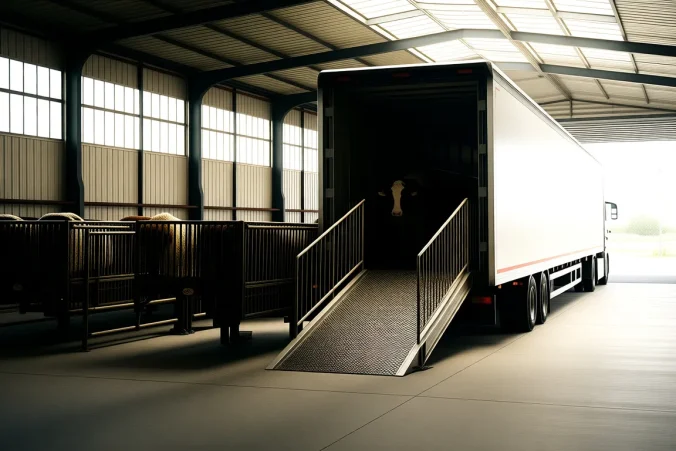
Start with the trailer. Sweep it clean, bed it properly, and check every gate latch before the first animal steps on. Load in small groups rather than a full pen at once. Pigs slip on smooth floors, so lay down rubber mats or extra straw on ramps.

  1. Sort animals by size in the pens the night before so you are not mixing strangers at the last minute.
  2. Walk the route from pen to trailer yourself to spot loose boards or sharp edges.
  3. Load the calmest animals first and the ones that have already been handled near the door last.
  4. Once everyone is on board, wait five minutes before closing the rear gate so any animal that wants to turn around can settle.

Watch conditions while moving

Most problems happen after the wheels start turning. Temperature shifts fast in a moving trailer, and animals cannot move away from drafts or direct sun. Pull over every 90 minutes on longer hauls and walk the outside to listen and smell.

  • For cattle in summer, open side vents fully but keep the top row closed on the sunny side to block direct light.
  • Feeder pigs in winter need extra bedding and a solid windbreak panel on the front; they lose heat quickly when wet.
  • If you hear repeated vocalizing after the first 30 minutes, stop and check for an animal down or one that got separated from its group.
  • Carry a simple log: time, outside temp, and any stops. It takes 30 seconds per entry and satisfies most inspectors.

Stay on top of current rules

Regulations change by state and sometimes by species. Check the federal 28-hour rule first, then the specific state requirements for your route.

Update What changed Practical step
2023 EU-aligned rules in some states Space allowances increased 8% for calves under 6 months Re-measure your trailer compartments before the next calf run
Watering interval Now listed at 12 hours max for hogs in transit in three states Carry a portable water tank and plan a stop every 10 hours instead
Driver training logs Digital records accepted if they include temperature readings Switch to a phone app that timestamps photos of the trailer

Call the destination state’s agriculture department the day before if your load crosses a new border. One phone call prevents a 4-hour hold at the scale.