Welfare Considerations During Livestock Transport: Best Practices and Legal Updates
You move animals every week. The key is keeping stress low so they arrive in decent condition and you stay on the right side of inspectors.
Load and unload to cut stress
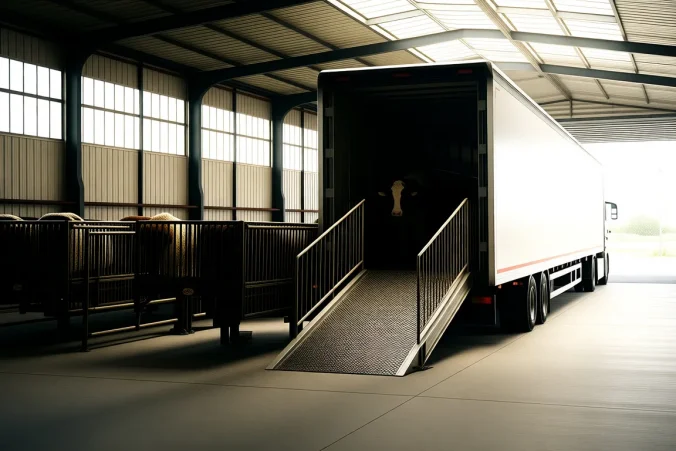
Start with the trailer. Sweep it clean, bed it properly, and check every gate latch before the first animal steps on. Load in small groups rather than a full pen at once. Pigs slip on smooth floors, so lay down rubber mats or extra straw on ramps.
- Sort animals by size in the pens the night before so you are not mixing strangers at the last minute.
- Walk the route from pen to trailer yourself to spot loose boards or sharp edges.
- Load the calmest animals first and the ones that have already been handled near the door last.
- Once everyone is on board, wait five minutes before closing the rear gate so any animal that wants to turn around can settle.
Watch conditions while moving
Most problems happen after the wheels start turning. Temperature shifts fast in a moving trailer, and animals cannot move away from drafts or direct sun. Pull over every 90 minutes on longer hauls and walk the outside to listen and smell.
- For cattle in summer, open side vents fully but keep the top row closed on the sunny side to block direct light.
- Feeder pigs in winter need extra bedding and a solid windbreak panel on the front; they lose heat quickly when wet.
- If you hear repeated vocalizing after the first 30 minutes, stop and check for an animal down or one that got separated from its group.
- Carry a simple log: time, outside temp, and any stops. It takes 30 seconds per entry and satisfies most inspectors.
Stay on top of current rules
Regulations change by state and sometimes by species. Check the federal 28-hour rule first, then the specific state requirements for your route.
| Update | What changed | Practical step |
|---|---|---|
| 2023 EU-aligned rules in some states | Space allowances increased 8% for calves under 6 months | Re-measure your trailer compartments before the next calf run |
| Watering interval | Now listed at 12 hours max for hogs in transit in three states | Carry a portable water tank and plan a stop every 10 hours instead |
| Driver training logs | Digital records accepted if they include temperature readings | Switch to a phone app that timestamps photos of the trailer |
Call the destination state’s agriculture department the day before if your load crosses a new border. One phone call prevents a 4-hour hold at the scale.
Leave a Reply