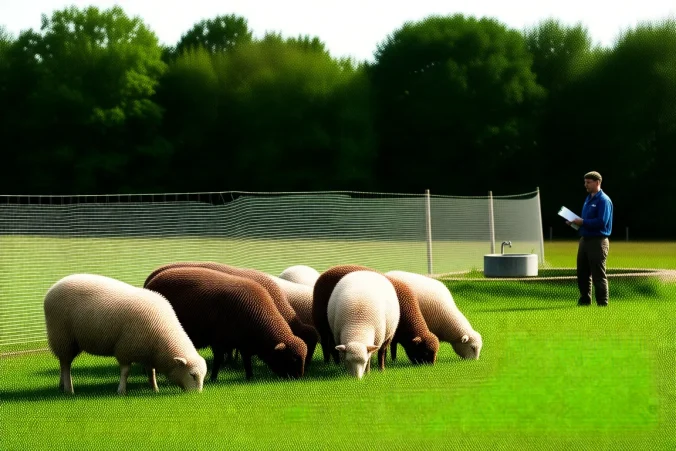
Preventing Parasite Resistance in Grazing Sheep: Integrated Management Plans
Start with fecal egg counts every four to six weeks on your ewes and lambs. That single habit keeps you from treating the whole flock on a calendar and slows resistance on your farm.
You already know the main worm threats in your area. The goal now is to cut unnecessary treatments while still catching the animals that need them.
Build your plan around these steps
- Sample ten to fifteen animals from each group. Use a pooled count first. If it stays under 200 eggs per gram, skip treatment.
- Treat only the animals that show signs or high counts. Leave the rest to dilute the worm population on pasture.
- Move treated sheep to clean pasture or graze them behind cattle. Cattle break the sheep worm cycle.
- Record every treatment with date, product, dose, and which animals got it. Review the log at the end of the season.
In early summer, one producer I know checks lambs at six weeks old. Only the ones with rough coats or loose manure get dosed. The rest stay untreated until the next check.
| Season | Check timing | Action threshold |
|---|---|---|
| Spring | 4 weeks after turnout | 300 epg or visible signs |
| Summer | Every 5 weeks | 250 epg |
| Fall | Before housing | Any count over 200 epg |
- Rotate paddocks so sheep return to the same ground only after 45 days or more.
- Run a few cattle or goats with the flock when pasture growth slows.
- Keep refugia by never dosing every animal at once unless a clear outbreak hits.
Watch your records for two years. If you see the same product losing effect, switch classes and keep the sampling schedule tight.
Leave a Reply