Biosecurity Basics for Small-Scale Sheep and Goat Farms
You already know a single sick animal can move through a small herd fast. The steps below focus on the routines that actually limit spread on farms with 10 to 80 head.
Quarantine New Arrivals
Every new sheep or goat enters the same process, whether it came from a sale barn or a neighbor.
- Unload the animal straight into a pen at least 50 feet from the main group. Use a separate water and feed source.
- Keep it there for 21 to 30 days. Watch twice daily for coughing, scours, or limping.
- Have your vet pull blood for CL, Johne’s, and CAE on day 3 and again on day 21 if the source herd history is unknown.
- Only move the animal once both tests come back clear and no symptoms appear.
One ewe bought at auction last spring carried footrot. The 30-day hold caught it before she joined the flock and saved months of hoof trimming.
Daily Movement and Visitor Rules
Most disease arrives on boots, tires, or borrowed equipment rather than in new stock.
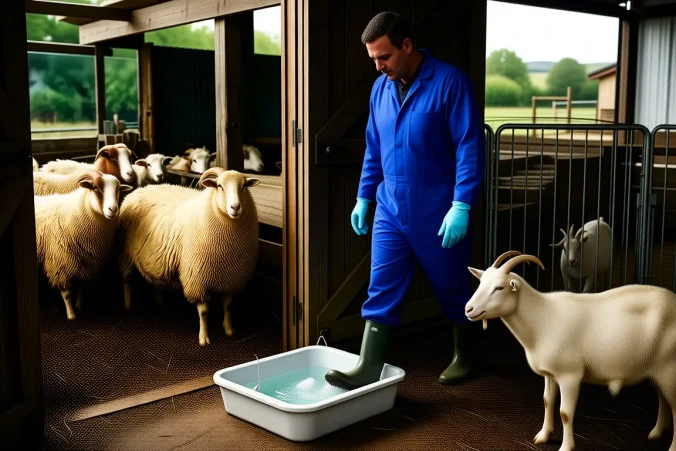
- Keep a boot brush and bucket of disinfectant at every gate. Scrub and dip before you cross into a new pen.
- Change coveralls or at least the outer layer when you move from the isolation pen back to the main herd.
- Ask visitors to park outside the fence line and wear farm boots you provide. Log their last farm visit in a notebook by the gate.
- Never share drench guns, hoof trimmers, or shearing blades between farms without a full bleach soak and rinse.
| Task | When | Example |
|---|---|---|
| Boot dip | Every gate crossing | After checking the ram pasture |
| Clothing change | After isolation pen | Before feeding the does |
| Equipment clean | After each use across farms | Shears returned from neighbor |
Track these three habits for two weeks and you will see where the gaps actually sit on your place.
Leave a Reply